




Blog
Getting Older Doesn’t Have to Suck: Microdosing and the New Science of Aging Well
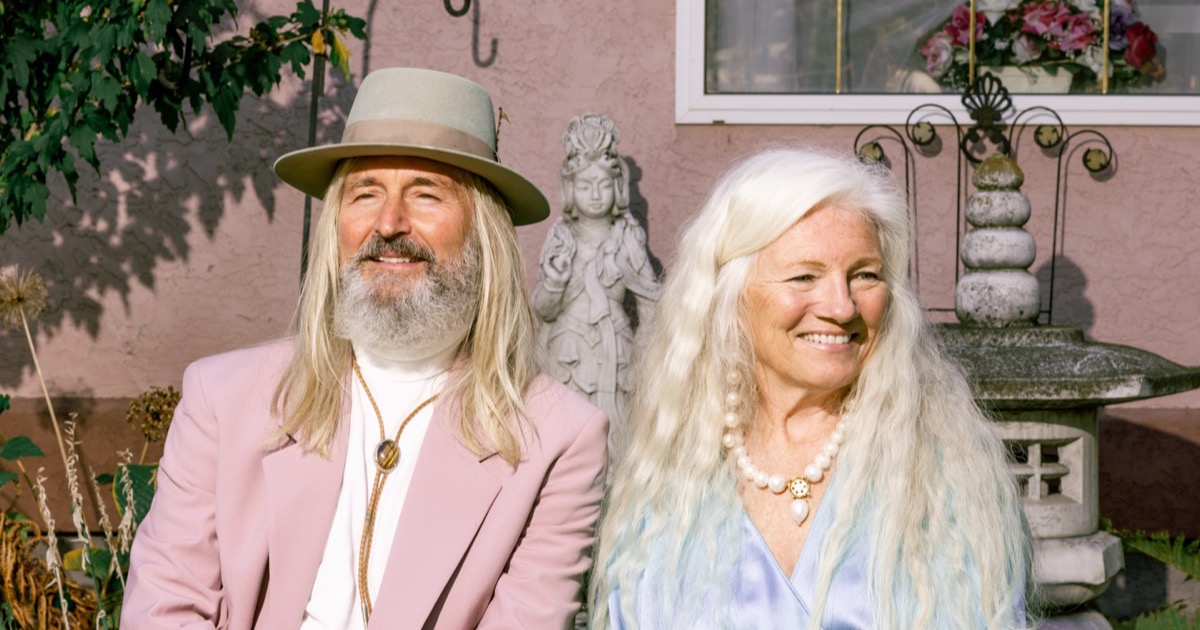
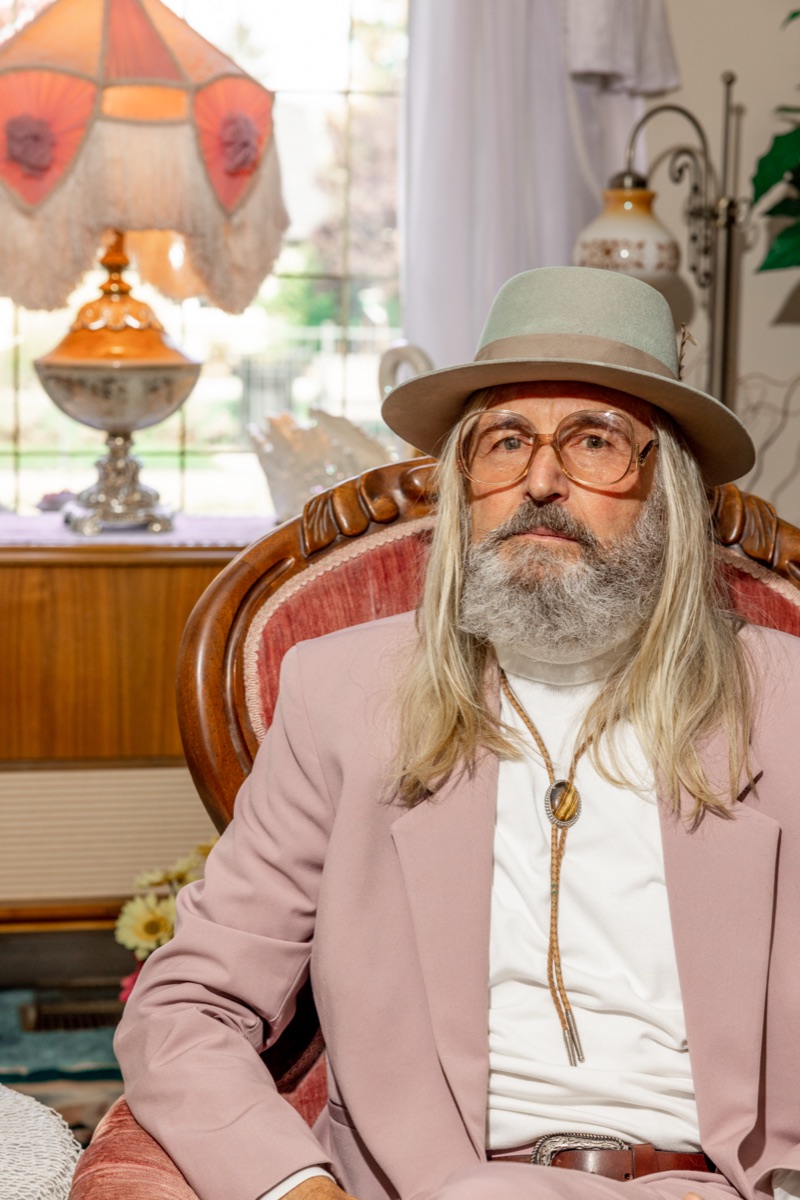
Picture the most magnetic person at the party. Now make them 72. Silver hair down to here, pink blazer, a bouquet of roses, zero apologies. That energy, the “getting older actually rules” energy, is suddenly having a science moment.
In July 2025, researchers at Emory University published something that made longevity nerds choke on their green juice. Psilocin (the active form of psilocybin) extended the lifespan of human cells in a dish by up to 57%, and aged mice given psilocybin were far more likely to still be around at the end of the study (npj Aging, 2025). Cells in a lab and mice are not people, and we are going to be very honest about that the whole way through. But it is a wild place to start a conversation about aging on your own terms.
KEY TAKEAWAYS
- In a 2025 lab study, psilocin extended human cell lifespan by up to 57% and lifted aged-mouse survival to 80% versus 50% (npj Aging, 2025). Cells and mice, not humans, and at doses well above a microdose.
- Chronic stress is one of the most proven accelerators of biological aging, shortening telomeres by the equivalent of about a decade (PNAS, 2004).
- People who microdose report real drops in stress, anxiety, and low mood, though a placebo-controlled study found expectation explains a big chunk of it (eLife, 2021).
Can a mushroom molecule actually slow down aging?
In the lab, the early signals are genuinely exciting. In that 2025 npj Aging study, psilocin extended the lifespan of human skin and lung cells by up to 57%, and 80% of psilocybin-treated aged mice survived the trial versus 50% of the untreated group. The honest catch: this is cells and rodents, at doses far higher than any microdose, not a human anti-aging pill.
So what was the molecule doing? The researchers saw the cells crank up SIRT1 (a longevity gene that resveratrol fans obsess over), drop their oxidative stress, and hang on to their telomeres instead of fraying like an old phone charger. According to the study, psilocin raised SIRT1, reduced oxidative stress in a dose-dependent way, and preserved telomere length in treated cells versus aging controls (npj Aging, 2025). That is a real, peer-reviewed finding. It is also one study, not yet replicated, and nobody has shown any of this extends a human life.
Why stress is the thing actually aging you
Here is the part that is rock solid. Chronic stress is one of the best-documented accelerators of biological aging we have. In a landmark study, women under the highest chronic stress had telomeres (the protective caps on your DNA) equivalent to roughly a decade of extra aging compared with low-stress women (PNAS, 2004). A decade. From stress.
It does not stop at telomeres. Scientists now talk about “inflammaging,” the slow-burn, low-grade inflammation that builds with age and quietly drives most age-related disease (J Gerontol, 2014). Stress feeds that fire. So if there is a single lever worth pulling for aging well, it is not a fancy serum. It is learning to carry less tension in your body, day after ordinary day.
This is the reframe we keep coming back to at Microgenix: the most “anti-aging” thing most people can do is get their nervous system to stop white-knuckling life. You cannot supplement your way out of a clenched jaw. But you can build a calmer baseline, and that is exactly the lane microdosing lives in.
What do people who microdose actually report?
Calmer, lighter, and a little more themselves, at least on paper. In a prospective study tracking microdosers over about a month, they improved versus non-microdosing controls on depression (effect size 0.49), anxiety (0.34), and positive mood (0.66) (Scientific Reports, 2022). And here is the bit that matters for this conversation: older adults specifically showed better psychomotor performance.
Those are self-reported, real-world numbers, not a locked-down clinical trial, so read them as “interesting,” not “proven.” Still, when thousands of people independently describe the same thing (less edge, more presence), it is worth paying attention. If you are curious where to even begin, our two-minute microdose quiz points you to a starting dose without the guesswork. Most people aging-curious about this start gentle, with something like Clarity (125mg) for an easy daily baseline.
The honest catch nobody in this industry loves to mention
Placebo is doing real work here, and pretending otherwise would be insulting your intelligence. In the largest placebo-controlled microdosing study of its kind, people who self-blinded (so they did not know if they took a microdose or a dummy) improved on wellbeing either way, with no significant difference between the real microdose and the placebo (eLife, 2021).
THE PLACEBO TRUTH
A lot of microdosing’s benefit may come from expectation and ritual. That is not a gotcha. Expectation is a real, measurable driver of how you feel. The act of pausing each morning to do one intentional thing for your own head is, itself, a kind of medicine.
So we will say it plainly: microdosing is not a proven fountain of youth, and anyone selling it that way is lying to you. What it can be is a small daily ritual that nudges your stress baseline down, and lower stress is one of the few things genuinely tied to aging better.
Your aging brain quietly loves novelty
The brain-aging angle is promising but young. In a now-classic study, serotonergic psychedelics increased dendritic growth and the density of connections between neurons in animal models, rivaling or beating ketamine (Cell Reports, 2018). More plasticity, in theory, means a brain that adapts instead of ossifies.
The honest correction: a 2024 meta-analysis found psilocybin did not significantly raise BDNF (a key growth protein) measured in human blood (Molecular Psychiatry, 2024). Animal neuroplasticity is not the same as a human biomarker moving. Translation: cool in mice, not yet shown in your bloodstream. The bigger, less sexy truth still holds, though. Brains stay younger when they stay curious, social, and a little uncomfortable. Microdose or not, novelty is the workout.
Aging well is a team sport
If you want one evidence-backed longevity move, it is almost embarrassingly simple: stay connected. A massive meta-analysis of more than 300,000 people found that strong social relationships were linked to a 50% greater chance of survival, an effect on par with quitting smoking and bigger than obesity or inactivity (PLOS Medicine, 2010).
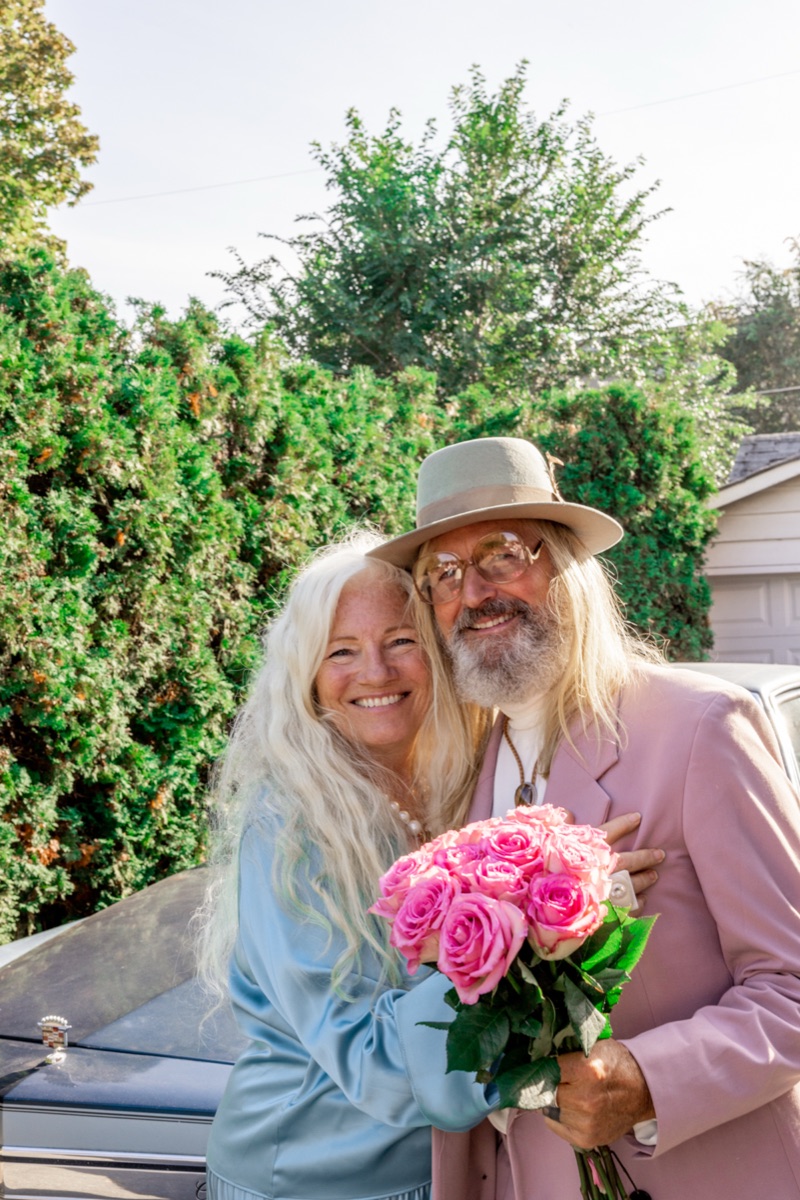
This is where microdosing and aging well quietly overlap. People do not usually reach for a microdose to hallucinate. They reach for it to be more present at dinner, more patient with their partner, more there. If a tiny ritual helps you show up softer and stay connected, the science says that connection is doing more for your lifespan than most things in your supplement drawer.
So how would you actually start, gently?
Low and slow, ideally with the lowest dose you can find. Microdosing is subtle on purpose. You should feel a little more like yourself, not a little more like a kaleidoscope. The reported sweet spot for stress and mood lives at the gentle end, which is exactly why beginners tend to do best easing in rather than going big.
A few honest starting points, no hype:
- Mini (30mg) is the gentlest on-ramp if you are nervous and want barely-there.
- Clarity (125mg) is the easy daily baseline most stress-and-mood microdosers settle into.
- Support is a functional, non-psilocybin nootropic blend if you want the ritual without the mushrooms.
Not sure where to begin?
Take the 2-minute quiz and we will match you to a starting dose for your goals, your body, and your nerves.
Frequently asked questions
Does microdosing actually slow aging?
There is no human proof that it does. Early lab work is striking (psilocin extended human cell lifespan by up to 57% and improved aged-mouse survival to 80% versus 50%), but that is cells and mice at high doses (npj Aging, 2025). The realistic benefit for people is lower stress, which is itself tied to aging better.
Is microdosing safe for older adults?
Talk to your doctor first, especially if you take medication. Psilocybin can interact with antidepressants like SSRIs, and it is not right for everyone. Start with the lowest dose, like Mini (30mg), and pay attention to how you feel before adjusting anything.
How much of the benefit is just placebo?
Possibly a lot. A placebo-controlled study found no significant difference between a real microdose and a dummy on wellbeing (eLife, 2021). But expectation and ritual are real drivers of how you feel, so a calming daily habit is not nothing.
What is the best microdose for stress and mood?
Most people start gentle. Observational data links microdosing to lower stress, anxiety, and depression scores (Scientific Reports, 2022). A low daily option like Clarity (125mg) is a common starting point, or take the quiz for a personalized match.
The takeaway
Getting older does not have to suck. The flashy headline (a mushroom molecule extending cell lifespan) is still stuck in petri dishes and mice, and we are not going to pretend otherwise. But the unglamorous version is real and within reach: chronic stress ages you, connection keeps you alive longer, and a small calming daily ritual can move both needles.
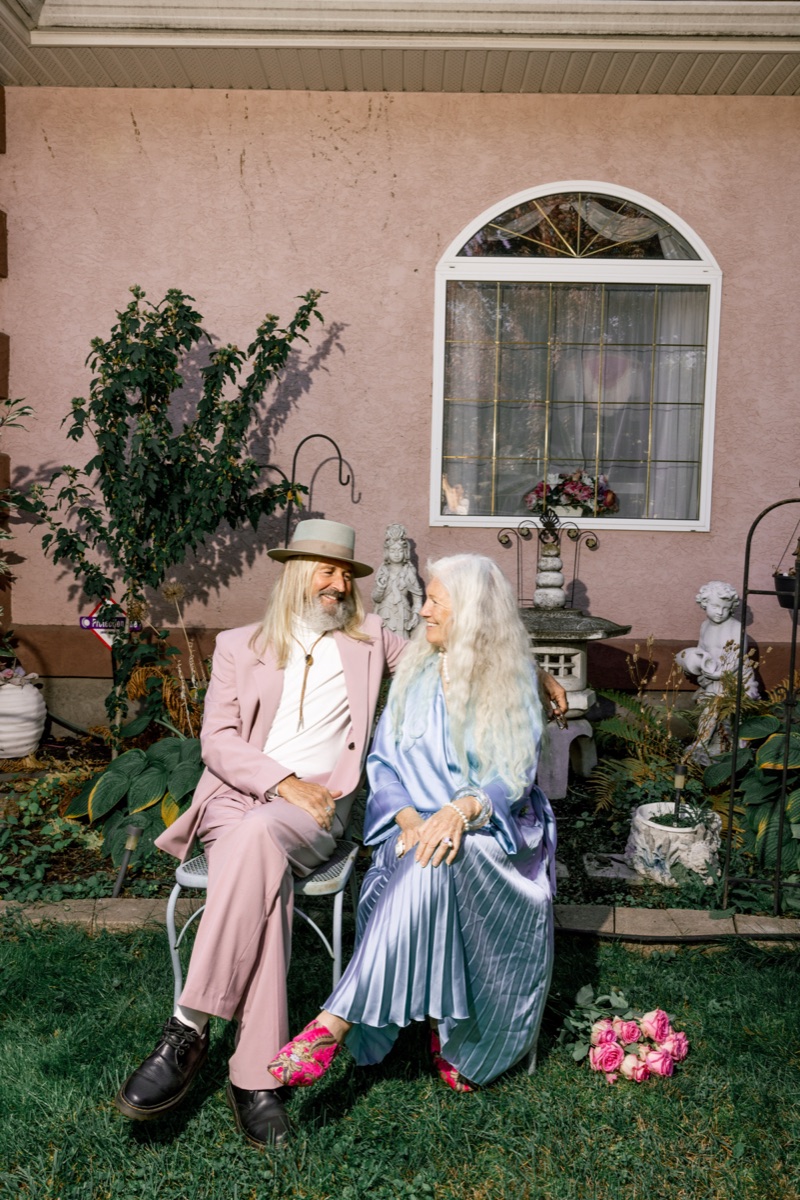
If that ritual happens to be a microdose, go in clear-eyed, start gentle, and keep your expectations honest. The goal was never to live forever. It is to get to 72 in a pink blazer, holding roses, still very much enjoying the party. Browse the full range or take the quiz whenever you are ready.
This article is for education, not medical advice. Microgenix products are not intended to diagnose, treat, cure, or prevent any disease. Talk to a qualified healthcare provider before starting any new supplement, especially if you take medication or have a health condition.
Sources
- Kato et al. Psilocybin treatment extends cellular lifespan and improves survival of aged mice. npj Aging, 2025.
- Epel et al. Accelerated telomere shortening in response to life stress. PNAS, 2004.
- Franceschi & Campisi. Chronic inflammation (inflammaging) and its role in age-related disease. J Gerontol, 2014.
- Rootman et al. Psilocybin microdosers show improved mood and psychomotor outcomes. Scientific Reports, 2022.
- Szigeti et al. Self-blinding citizen science to explore psychedelic microdosing. eLife, 2021.
- Ly et al. Psychedelics promote structural and functional neural plasticity. Cell Reports, 2018.
- Calder et al. Psychoplastogens and BDNF in humans: a meta-analysis. Molecular Psychiatry, 2024.
- Holt-Lunstad et al. Social relationships and mortality risk. PLOS Medicine, 2010.