




Blog
We Drank to Forget. Now We Want to Remember Everything.
The Dose
The short version
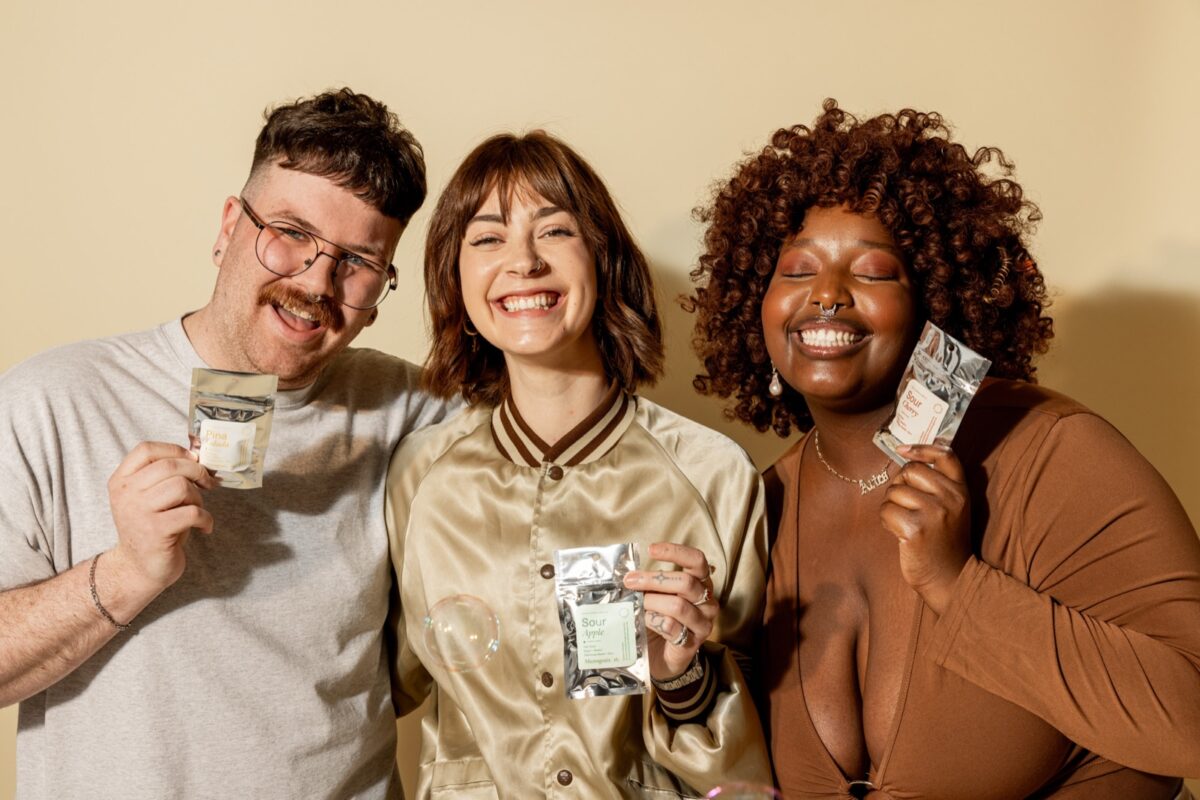
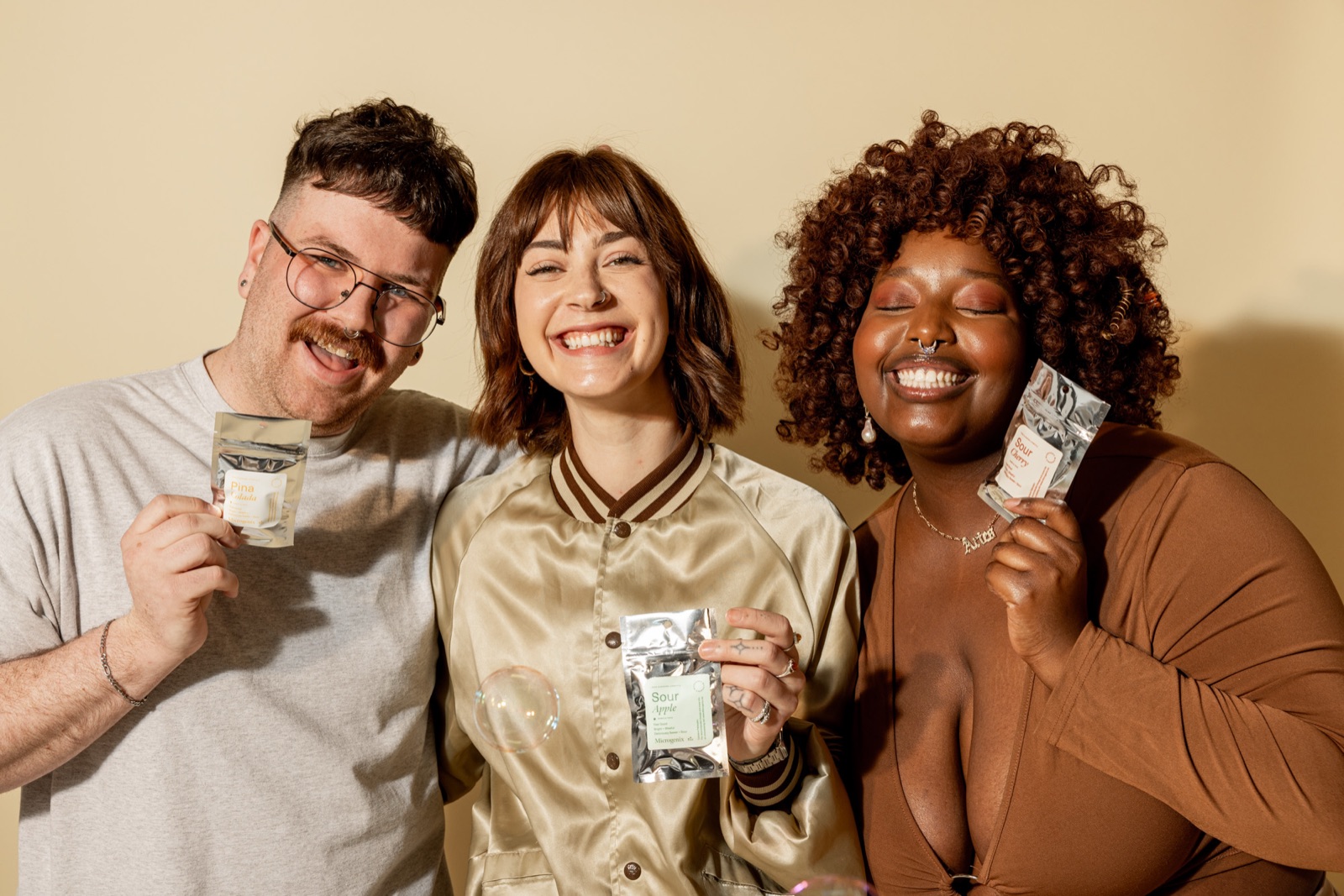
American drinking just hit its lowest point in nearly a century, and young adults are leading the drop. Look closer and it is not really about alcohol. A generation that grew up the most digitally connected and the most lonely is choosing to be present instead of checked out. They want to remember the night, feel the room, and come home from the trip more alive than when they left. Here is what the data says, and where intentional mushrooms fit in.
Somewhere along the way, getting wasted stopped being the goal.
You can feel it at any gathering right now. The person nursing a sparkling water is not apologizing for it. The friend who left the bar early is not the buzzkill anymore, they are the one who wakes up Saturday and actually does the thing. The vacation flex is not the bottomless brunch, it is coming home rested. This is not a fringe wellness thing. It is becoming the default, and the numbers back it up hard.
Here is the part most articles miss though. This shift is not a story about quitting. It is a story about choosing. A whole generation looked at the trade and decided that feeling everything beats forgetting it.
The party did not end. The blackout did.
In 2025, the share of Americans who drink fell to 54 percent, the lowest in Gallup’s roughly 90 years of tracking it. Among adults aged 18 to 34, drinking dropped from 59 percent in 2023 to 50 percent in 2025, a nine point fall in two years (Gallup, 2025). For the first time, a majority of Americans say even moderate drinking is bad for your health, and young adults are the most convinced of anyone.
So no, nobody banned the party. People just stopped wanting the version of it they could not remember. When the cost of a big night is a wrecked next day and a foggy memory, more of us are quietly deciding it is not worth it.
This is not quitting. It is choosing to feel everything.
Gen Z is the clearest signal. Heading into 2025, 65 percent of Gen Z said they planned to drink less and 39 percent committed to going fully dry, compared with 10 to 19 percent of older generations (NCSolutions, 2025). Interest in the sober curious movement among Gen Z jumped 53 percent in a single year (NCSolutions, 2024).
Now the honest caveat, because the truth is more interesting than the headline. Some research shows Gen Z is not abstaining outright. IWSR found that claimed drinking among legal-age Gen Z actually ticked up from 66 to 73 percent between 2023 and 2025 (IWSR, 2025). So the real shift is not total sobriety. It is intentionality. Drink when it adds to the night, skip it when it does not, and stop letting autopilot run the evening.
Ask people why, and you hear the same answers. They want to remember their nights. They want to be there for the conversation instead of half watching it. They want to wake up and like who they were yesterday. That is not deprivation. That is appetite for a fuller version of the experience.
The loneliest generation is done disconnecting
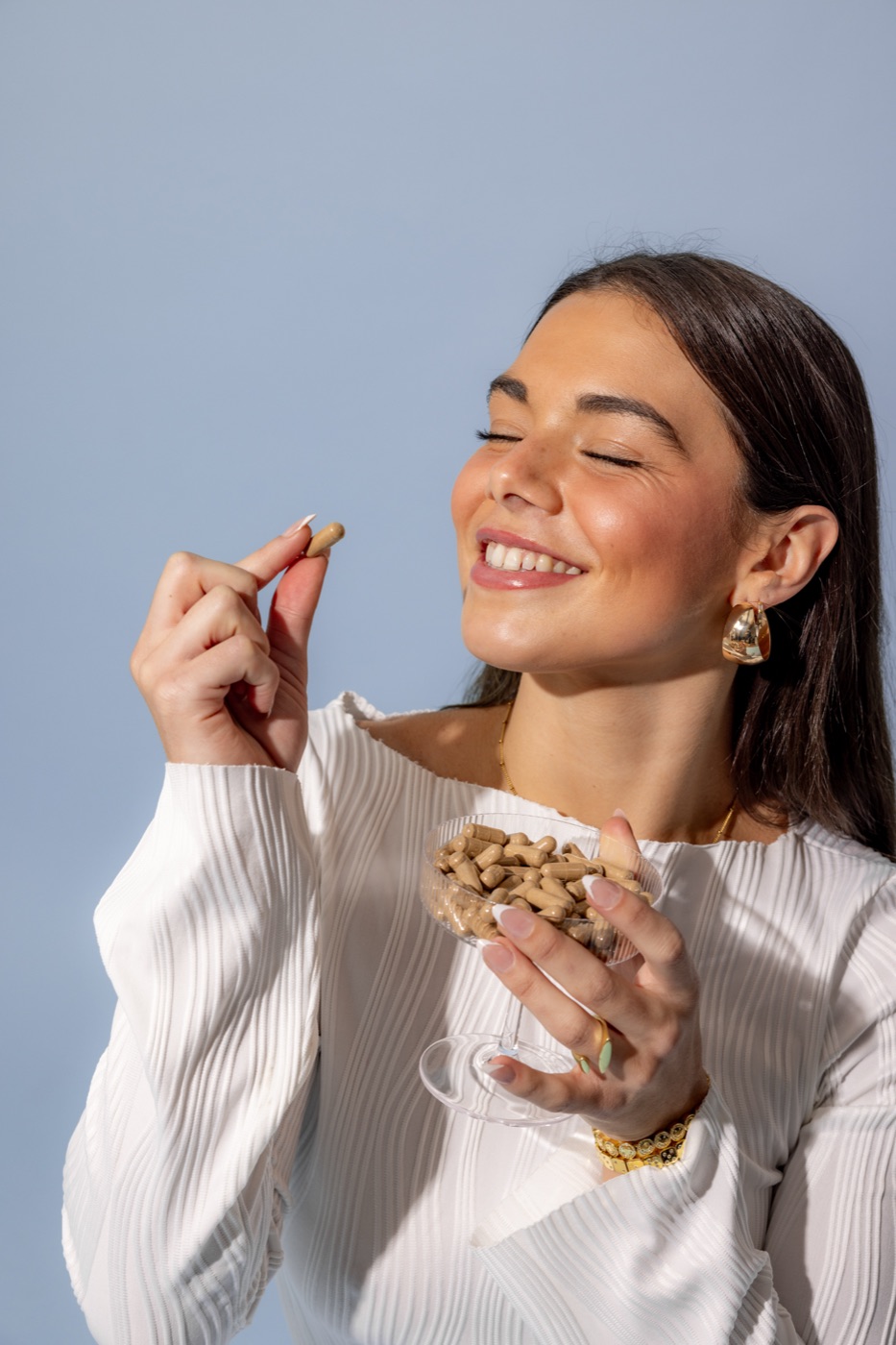
Here is the gut punch underneath all of this. In 2023 the US Surgeon General declared loneliness a public health epidemic, warning that a lack of social connection raises the risk of early death on a scale comparable to smoking 15 cigarettes a day (US Surgeon General, 2023). And the loneliest people are the youngest. 67 percent of Gen Z adults report feeling lonely, the highest of any generation (The Cigna Group, 2025).
Sit with that. The most connected humans in history, carrying the most powerful connection device ever made, are the most alone. So the move toward presence is not random. It is a correction. People are tired of watching life through a screen and want to actually be in the room.
You can see it in how they spend their time. 74 percent of Gen Z now say in-person experiences matter more than digital ones, 46 percent are actively cutting their screen time, and 79 percent plan to go to more events this year (Eventbrite, 2026). Touch grass went from an insult to a value system.
Health stopped being a chore. It became the flex.
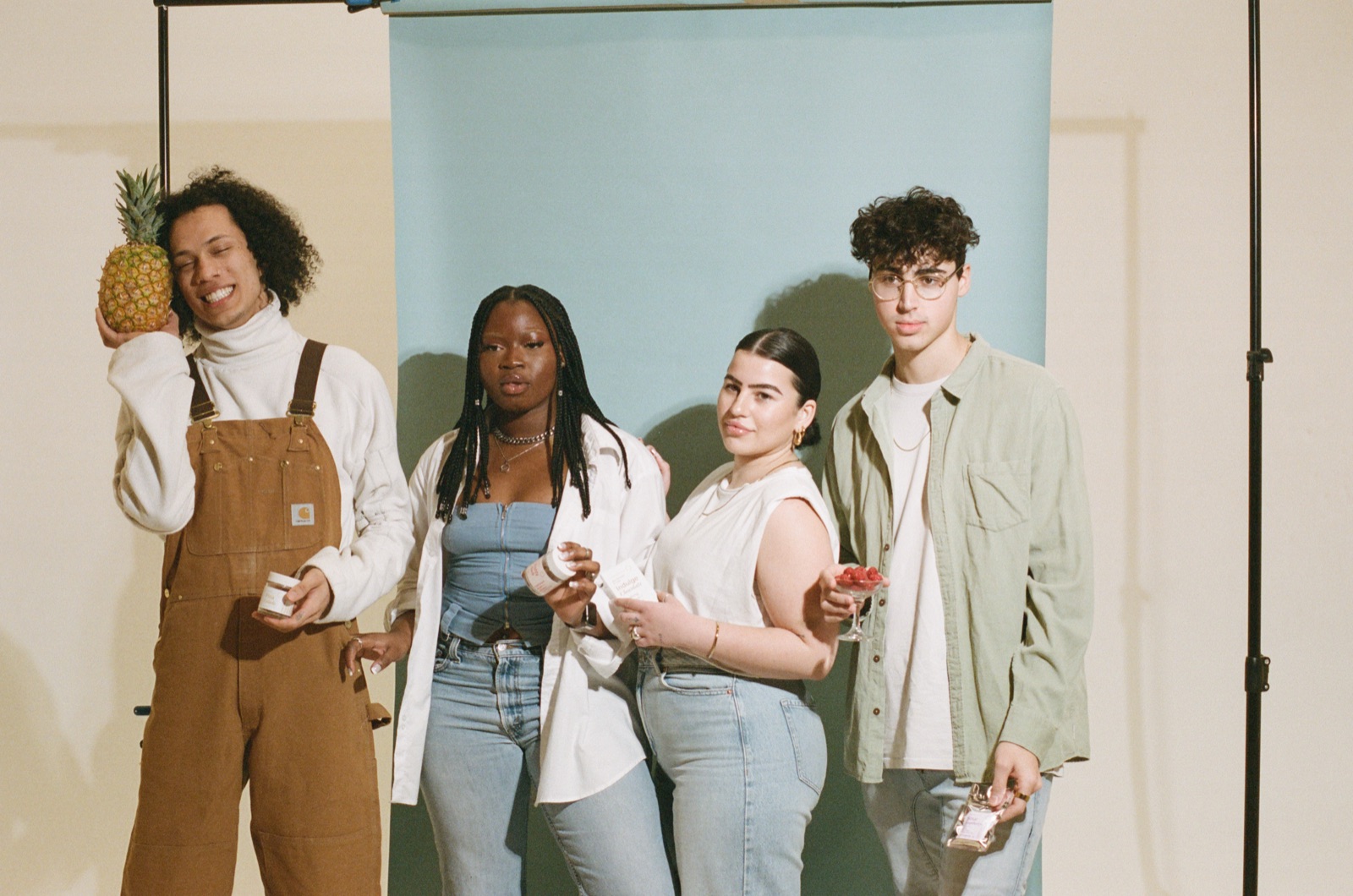
The other thing that changed is status. Wellness used to read as restrictive. Now it reads as winning. 82 percent of US consumers call wellness a top or important daily priority, inside a global wellness market worth roughly 1.8 trillion dollars, and Gen Z and millennials are the most wellness-driven cohorts of all (McKinsey, 2024).
Functional mushrooms rode straight into that current. Estimates of the global functional mushroom market vary by firm, but they cluster in the tens of billions today and every forecast points to double digit annual growth, with one putting it at about 31.7 billion dollars in 2023 and 65.8 billion by 2030 (Grand View Research). Mushrooms in your coffee, your gummies, your nightstand. The fungi went mainstream because the goal changed. People want to feel good and stay sharp, not numb out.
Where mushrooms fit, and the line we will not cross
If the whole point is to be more present, then the last thing anyone needs is another thing to get them out of their own head. That is exactly why intentional mushrooms are different from a drink. A drink turns the volume down. The reason people reach for a microdose is to turn the clarity up, then go live their actual life.
We want to be careful and honest here, because the research is young. Early studies and anecdotal reports suggest microdosing may support mood and a sense of wellbeing. One observational study of nearly a thousand microdosers found greater improvements in mood and mental health over a month than non-microdosers (Rootman et al., Scientific Reports, 2022). At the same time, a careful self-blinding trial found that people improved on a microdose, but the placebo group improved too, which means expectation is doing real work and the science is not settled (Szigeti et al., eLife, 2021). We are not here to promise anything or make medical claims. We are here to give you a clean, lab tested, honestly labeled product and let you decide.
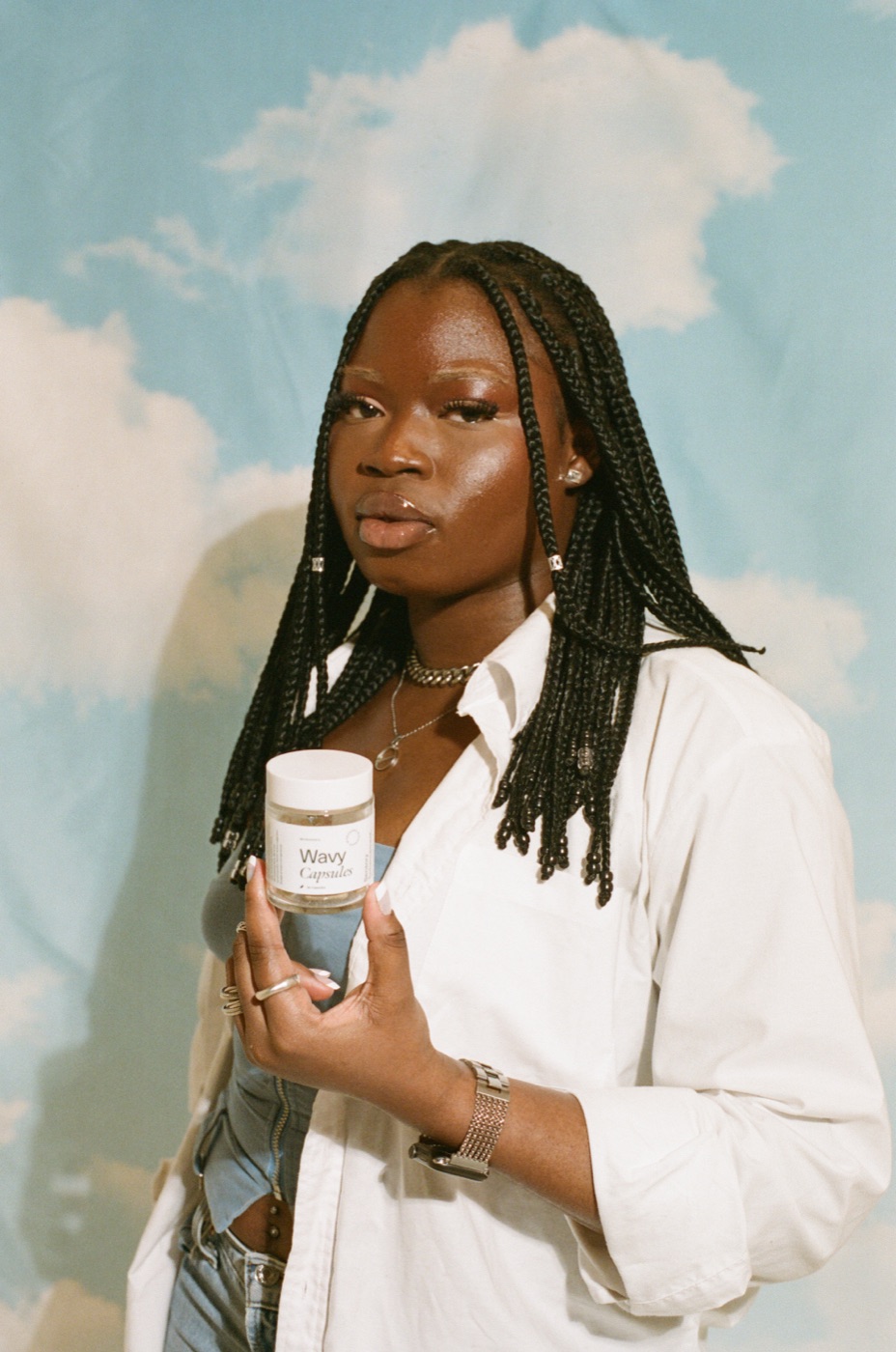
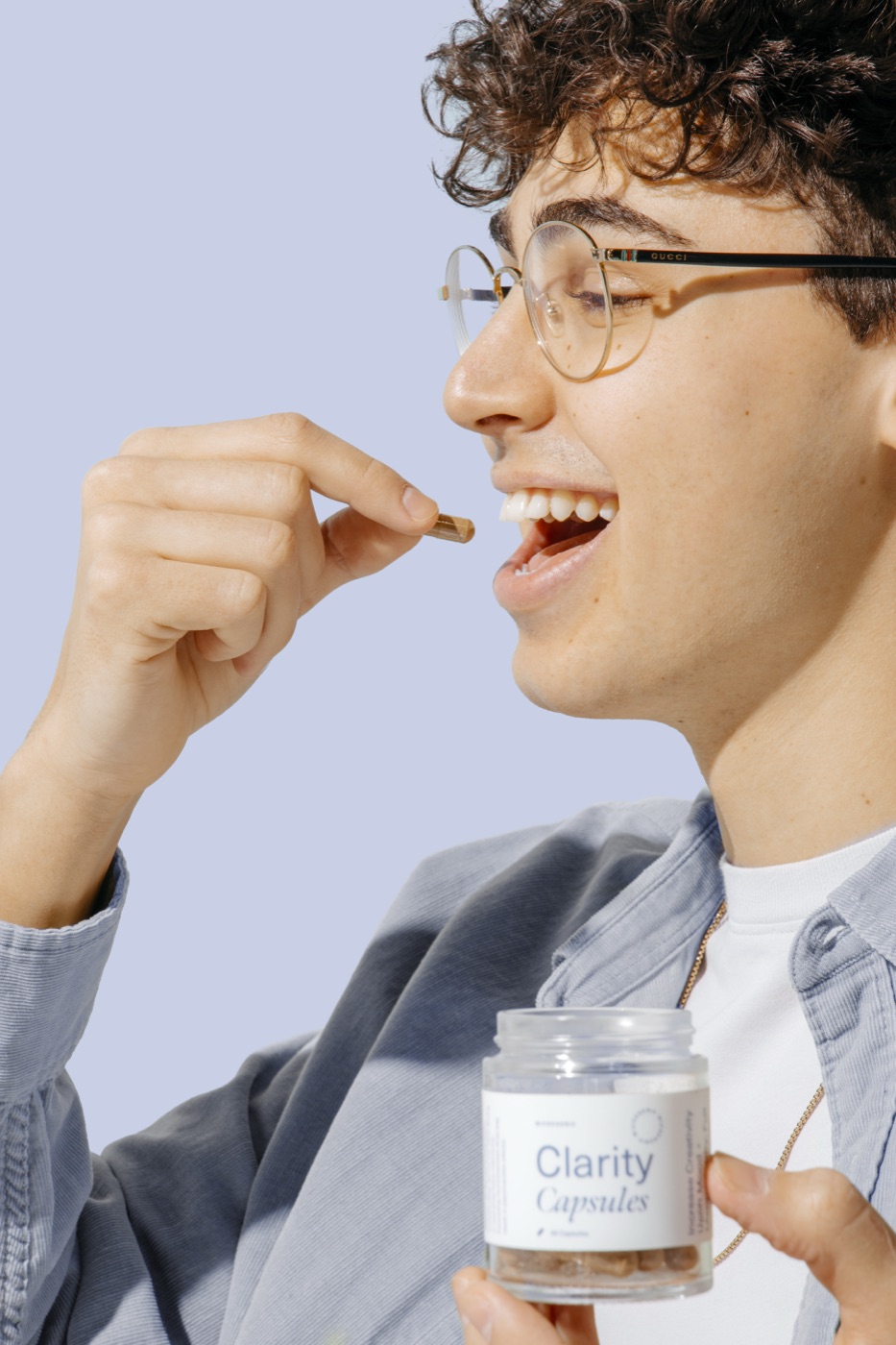
That is the entire Microgenix idea. Every batch of raw product is third party lab tested and every dose is exactly what the label says, so you always know what you took. If presence is the goal, Clarity Capsules are the gentle daytime starting point a lot of people choose for focus and a steady head. The Support Capsules are a functional nootropic blend with no psilocybin for the days you just want a clean lift. If you are brand new and want the lowest, most beginner friendly dose, Mini Capsules exist for exactly that, and Wavy Capsules are built for a more intentional, social, lit-up experience when you actually want to feel the moment.
Not sure where to start? Our two minute quiz points you to the product that fits what you are actually after.
The new luxury is remembering the whole night
Strip it all back and the trend is simple. People do not want less life. They want more of it, with the lights on. They want to feel the hug, hold the conversation, taste the food, and remember the trip. They want to come back from vacation rejuvenated instead of recovering. They want to love and be loved while fully awake for it.
That is not a phase. A generation that calls wellness a daily priority, ranks real life over the feed, and is teaching itself to put the phone down is not going back. The open bar was never the luxury. Waking up clear, remembering everything, and feeling more alive than you did yesterday, that is the flex now.
Touch grass. Feel the thing. We will be here with something clean for the days you want to be all the way present.
Frequently asked questions
What does sober curious actually mean?
Sober curious describes choosing to question and reduce alcohol without necessarily quitting entirely. It is less about a strict label and more about intention. You decide when a drink genuinely adds to a moment and skip it the rest of the time, with clarity and memory as the priority.
Why is Gen Z drinking less in 2025?
Young adults are the most convinced that even moderate drinking harms health, and overall drinking hit a 90 year low in 2025 (Gallup). They also report the highest loneliness of any generation and increasingly value real life over screens, so many are trading hangovers for presence and connection.
Are functional mushrooms a replacement for alcohol?
They are not a substitute and they are not meant to be. Alcohol numbs, while people use intentional mushrooms to feel clearer and more present. They serve a different intention entirely. If you are cutting back on drinking, treat mushrooms as their own choice, not a swap.
Does microdosing actually work?
The research is early and mixed. Some observational studies report improvements in mood and wellbeing, while careful placebo controlled trials suggest expectation plays a large role and the science is not settled. We make no medical claims. We make a lab tested, honestly dosed product so you can explore it informed.
Sources
- Gallup, US Drinking Rate at New Low (2025)
- NCSolutions, Nearly Half of Americans Plan to Drink Less in 2025
- NCSolutions, Gen Z Sober Curious Interest +53% (2024)
- IWSR, Gen Z and Moderation (2025)
- US Surgeon General, Epidemic of Loneliness and Isolation (2023)
- The Cigna Group, Loneliness in America (2025)
- Eventbrite, Reset to Real Social Study (2026)
- McKinsey, The 1.8 Trillion Dollar Global Wellness Market (2024)
- Grand View Research, Functional Mushroom Market
- Rootman et al., Scientific Reports (2022)
- Szigeti et al., eLife (2021)