




Blog
Psychedelics Become the Go-To Substance for Gen Z — And That’s Not A Bad Thing
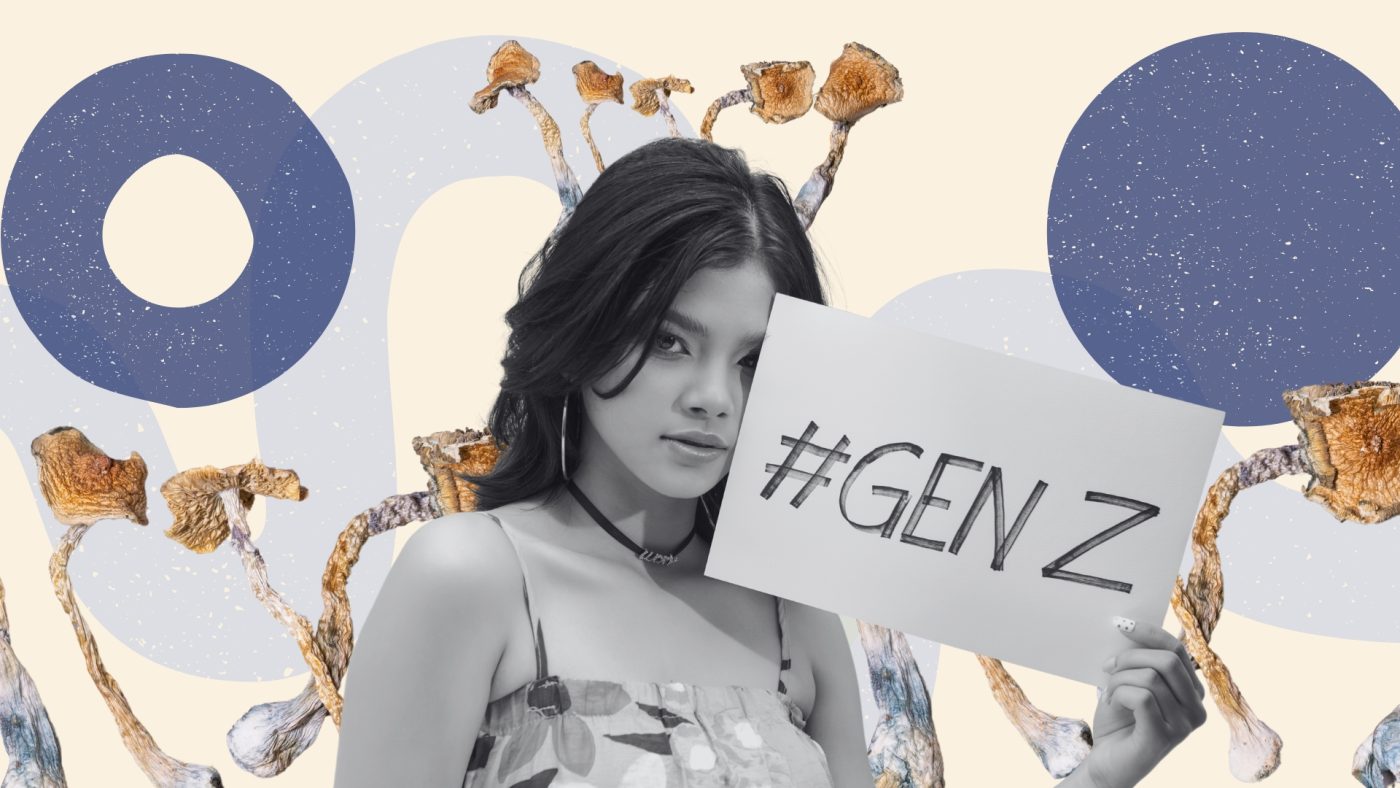
From microdosing to skipping weekend binge-drinking for shroomed-up DJ events, psychedelics have seen a remarkable boom since the COVID-19 pandemic, with psilocybin (magic mushrooms) becoming the most frequently used psychedelic substance in 2024—even surpassing popular party drug MDMA, according to a RAND report. Another study showed that 1 in every 10 adults reported microdosing since 2020 (a number that has likely increased over the last five years), solidifying that the shroom boom is alive and well—and Gen Z is leading the trend.
While psychedelic skeptics may be less inclined to agree, we do know some indisputable facts about psilocybin that suggest the wave of psychedelic use might be a walk in the right direction. One being that, unlike other commonly used substances such as alcohol, methamphetamines, or benzos, psilocybin is non-addictive, does not trigger dependence, and has shown little to no side effects in terms of general human health.
While there may be more room for skeptical discourse surrounding psilocybin’s hallucinogenic counterparts like MDMA and ketamine, psilocybin’s surge in popularity may very well be doing more good than harm—by a landslide.
Until recent years, magic mushrooms weren’t considered a “social” substance—a valid perspective unless you want to be seeing God at the club. But the shockwave of interest in both microdosing and “moderate dosing” has presented a new angle: using mushrooms in place of alcohol to experience fewer hangovers, deeper connections, cognitive presence, and boosted euphoria. That doesn’t sound antisocial, per se, does it?
Gen Z’s fiery passion for wellness and mental health is unparalleled, giving all the more reason for psilocybin to reign supreme in their substance roster. Almost every month, it seems, a new “breakthrough” study emerges from the abyss, addressing the generation’s most prominent mental health concerns—from treatment-resistant depression and anorexia nervosa to A-list celebrities sharing how magic mushrooms helped transform their lives. It’s an irresistible recipe for piqued interest.
Not just that, but despite what the boomers might say about the modern generation’s supposed desire to “skip work and be lazy,” the reality is that both Millennials and Gen Z are pioneering a new hustle culture. The average Gen Z person often works more than one job, with side hustles in tow, striving to build affluence in a trying economy. (Truth hurts, boomers.) And with that, let’s trail back to where the term “microdosing” really gained its buzz.
Enter Silicon Valley—the epicenter of high-pressure, volatile work culture—which brought microdosing into the public eye in the mid-2010s. Framed as a “productivity hack” or “smart drug,” it was used to gain a mental edge among industry competitors. Unsurprisingly, you didn’t need to be a hot-headed biohacker to crave some extra focus. Cover stories in outlets like Rolling Stone and The New York Times lit a fire under the chairs of college students, journalists, and hustle-focused individuals who needed that extra ‘oomph’ in their routines—a spark that spread like wildfire.
Flash forward to today, and we’ve garnered nearly a decade of microdosing buzztalk—and the fact that the chatter hasn’t slowed speaks for itself. The kids (as in 18 to 28-year-olds) love mushrooms, that’s for sure. And with the buzz came a shedding of stigma, thanks to influential voices like Paul Stamets, Tim Ferriss, and Michael Pollan, who helped flip the 1960s counterculture, hippie-era associations with psychedelics on their head.
See, breakthroughs in psychedelic research aren’t actually a new thing. In fact, the 1960s was a booming and prosperous decade for psychedelic exploration—until it wasn’t. Researchers like Harvard’s Timothy Leary and Czech psychiatrist Stanislav Grof were seriously studying psychedelics for the treatment of depression, alcoholism, end-of-life anxiety, and more. That is, until legitimate research came to a grinding halt for decades, the result of widespread fear and stigma stemming from the counterculture movement. Scientists couldn’t even legally work with psychedelics—not even for clinical research. Shame, we know.
After 30 years of dark days, Johns Hopkins researchers broke the silence in 2006. A landmark study led by Roland Griffiths, published in a respected journal, showed that psilocybin induced profound, meaningful outcomes in healthy adults. And, well—the rest was history.
Flash forward (again) to today: Gen Z and their Millennial seniors now make up millions of new-age advocates who carry the reputation of psychedelics in good graces. And while skeptics will continue to… skepticize, it doesn’t change the fact that new mothers, teachers, and scientists—among other vital parts of a functioning society—claim psilocybin has transformed their lives for the better. It’s even benefitting party culture, too.
For decades, young adults have been the unofficial mascots of binge drinking and ‘reckless’ substance use. In that light, the shift toward psilocybin over alcohol or other mind-numbing substances doesn’t seem like such a bad thing.. At least, not in the eyes of the sane.
But don’t forget: people aren’t tripping balls at the grocery store. The majority are microdosing (or taking small to moderate amounts) with more intention. The most commonly-reported effects of microdosing include focus, creative flow, and feeling more connected to themselves and others.
Now, is psilocybin for everyone? Of course not. But does intentional psilocybin use pose less of a threat than nearly all other substances in terms of addiction, health risks, and cognitive decline? Research and data points to yes.
While the safest thing anyone can do—and don’t mind the D.A.R.E. reference here—is “just say no” to all substances, we’d argue there are far bigger fish to fry than Gen Z’s curiosity about the mental health potential of psychedelics.